

Understanding Food Cravings and How to Take Back Control
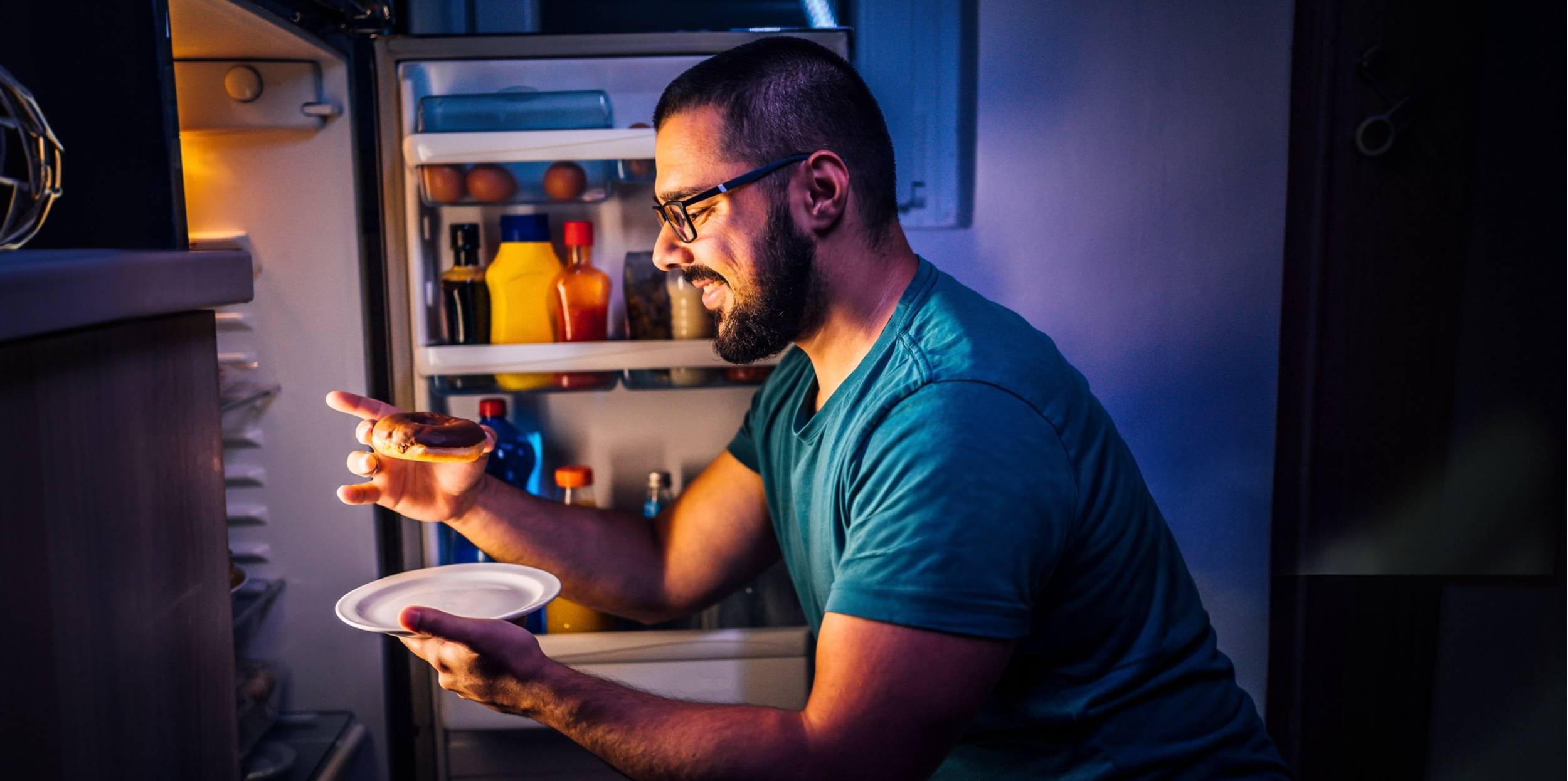
Food cravings are something most people experience, often at the least convenient times. Whether it’s a sudden urge for something sweet in the evening or a craving for comfort food after a long day, these signals can feel difficult to ignore.
But cravings are not simply about willpower. They’re driven by a combination of biological, psychological, and lifestyle factors, and understanding these is the first step towards managing them effectively.
What Are Food Cravings?
A food craving is a strong, specific desire for a particular type of food often high in sugar, fat, or salt.
Unlike hunger, which builds gradually and can be satisfied by a variety of foods, cravings tend to feel:
Sudden
Targeted (e.g. chocolate, crisps, takeaway)
Emotionally driven
They are often linked to the brain’s reward system. Certain foods trigger feel-good responses, which can reinforce repeat cravings over time.
Why Do Cravings Happen?
Cravings are rarely random. In most cases they are your body or your environment sending signals.
1. Hormones & Appetite Regulation
Hormones such as ghrelin (hunger) and leptin (fullness) influence appetite. Disruptions can increase the desire for high-calorie foods.
2. Poor Sleep
Lack of sleep can increase appetite and reduce impulse control, making cravings more likely.
3. Emotional Triggers
Stress, boredom, or low mood can all drive “comfort eating” behaviours even when you’re not physically hungry.
4. Eating Patterns
Skipping meals or undereating can lead to sharp drops in energy, which the body often responds to with sugar cravings.
5. Habit & Environment
Repeated behaviours (e.g. dessert every evening, snacking while watching TV) can condition the brain to expect certain foods at certain times.
How to Manage Food Cravings (Without Restriction)
Trying to “cut out” cravings completely often backfires. A more effective approach is to reduce their intensity and frequency.
Build Balanced Meals
Meals that include protein, fibre, and healthy fats help keep you fuller for longer and stabilise energy levels.
Stay Hydrated
Dehydration is commonly mistaken for hunger. Even mild dehydration can trigger unnecessary cravings.
Improve Sleep Consistency
Better sleep supports appetite regulation and reduces impulsive eating behaviours.
Identify Your Triggers
Tracking when cravings happen can help uncover patterns — such as stress, fatigue, or specific times of day.
Manage Stress & “Food Noise”
Techniques like walking, breathing exercises, or short breaks can reduce the mental focus on food.
Where Medical Support Can Help
For some people, cravings are more persistent and harder to manage through lifestyle changes alone.
Clinically guided weight management treatments including GLP-1 medications work by:
Regulating appetite signals
Reducing food “reward” responses
Helping you feel fuller for longer
Evidence suggests these treatments can reduce both the frequency and intensity of cravings by acting on brain pathways linked to reward and appetite.
Before considering weight loss drugs, it's essential to understand the potential benefits and risks with a healthcare professional.
If you would like start on a clinician guided weight loss journey start your consultation here
The Bottom Line
Food cravings are not a failure of discipline, they’re a natural part of how the body and brain respond to food, energy, and emotion.
The goal isn’t to eliminate cravings completely, but to:
Understand what’s driving them
Reduce how often they occur
Respond to them in a more controlled, sustainable way
With the right combination of lifestyle habits and, where appropriate, medical support cravings can become far more manageable.